
Beyond Time-Outs: Teaching Emotional Skills That Last a Lifetime
- drbobcarey
- Nov 27, 2025
- 5 min read

Beyond time-outs, children need emotional skills they can use for life—skills like calming their bodies, naming their feelings, and solving problems when things go wrong. A Positive Systems Approach (PSA) focuses on teaching these skills directly, rather than just reacting to behaviour in the moment.
From Behaviour Control to Skill Building
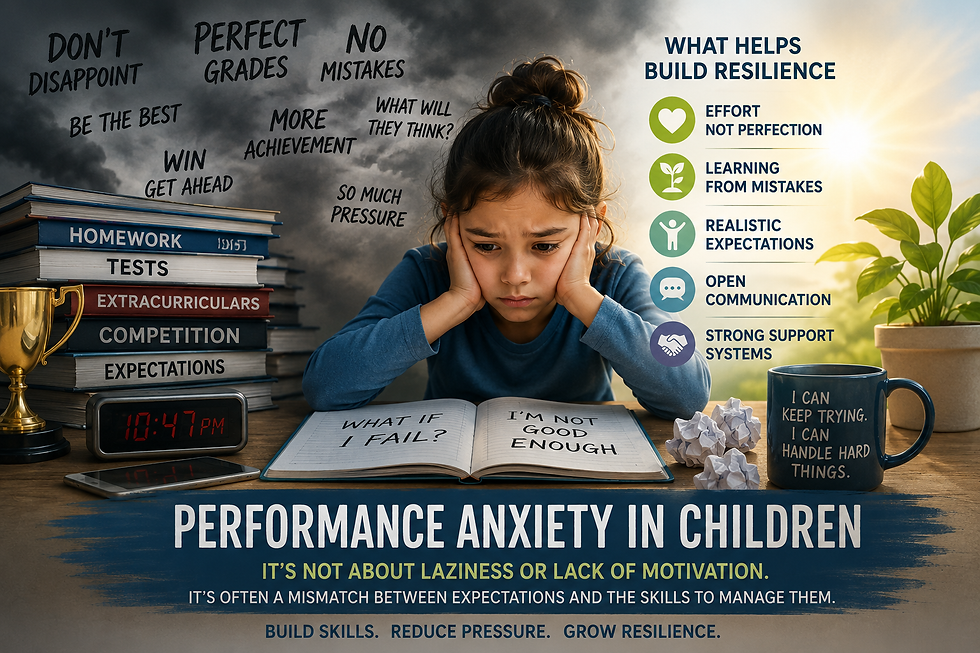
Traditional behaviour management often focuses on stopping outbursts quickly, but it may not teach children what to do instead when big feelings show up. Chapter 7 reframes disruptive behaviour as a sign of emotional overwhelm and skill gaps, not defiance or “badness.” PSA treats behaviour as communication and asks: What is the feeling underneath, and what skill is missing right now?
Instead of relying on time-outs, PSA helps children learn to understand, manage, and express emotions in safe ways. The goal is not short-term compliance, but long-term emotional regulation that follows the child from home to school to adulthood.
What Emotional Regulation Really Means
Emotional regulation is the ability to notice feelings, stay connected enough to think, and choose a response that works, even when upset. Children often struggle because their “emotional engine” (amygdala) switches on faster than their “coach” or “brakes” (prefrontal cortex) can catch up. When that happens, they need adults to guide and co-regulate, not just discipline.
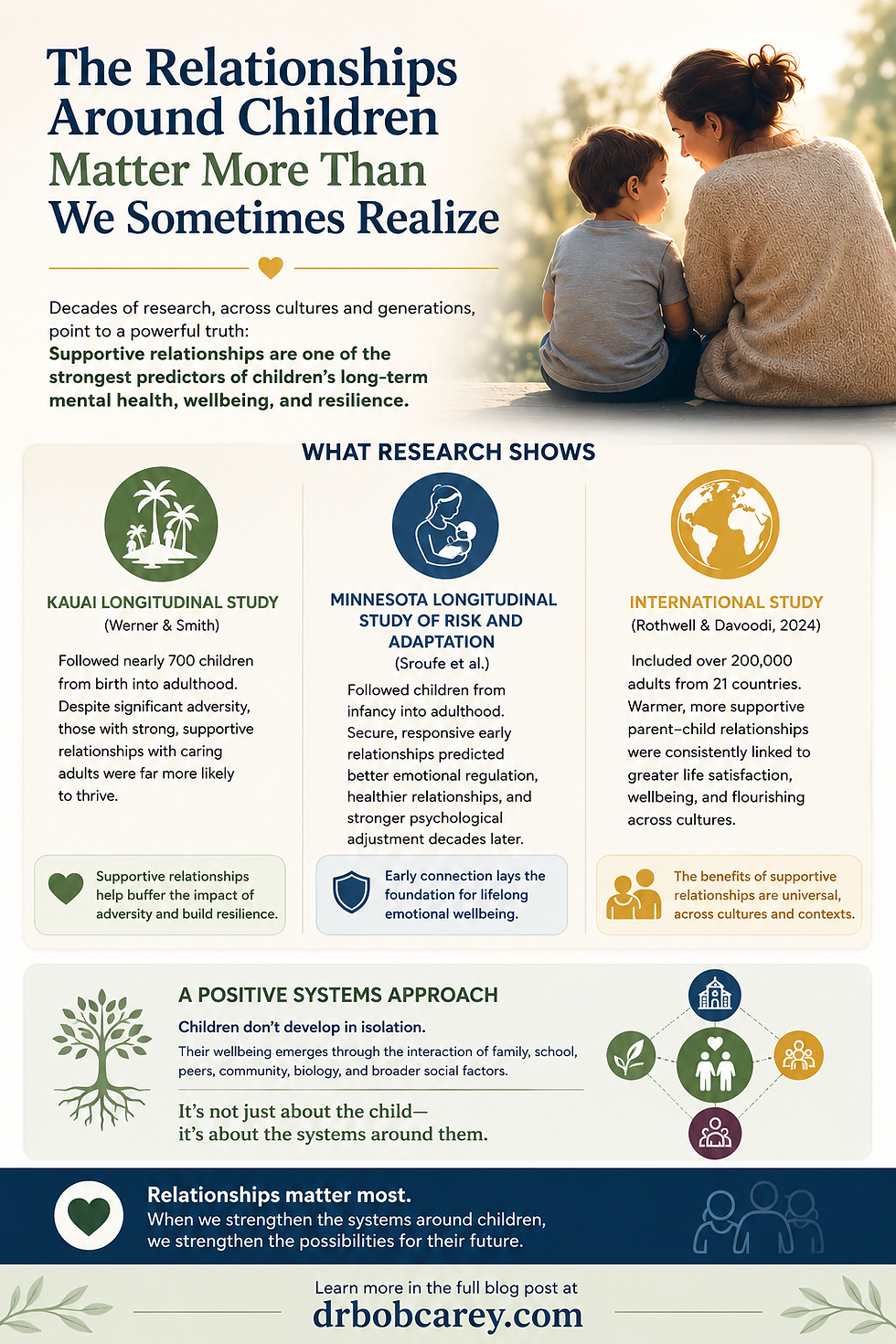
PSA emphasizes that children build self-regulation gradually through thousands of experiences of being soothed, understood, and taught specific coping tools. Secure, warm relationships and predictable responses are the foundation for any emotional skill to take root.
PSA’s Core Emotional Skills
PSA organizes support around seven Individual Factors; several are critical for emotional regulation.
Key emotional skills include:
Identification: Helping children recognize triggers and early warning signs (e.g., “I get tight in my chest before I yell”).
Coping: Teaching concrete tools like deep breathing, taking a break, or using a calm-down corner when feelings surge.
Communication: Showing children how to say “I’m frustrated,” “I need help,” or “I need space” instead of acting out.
Relationship/Rapport: Building a secure bond so the child trusts that adults will help them through tough moments, not shame them.
Reinforcement is used not just to stop problem behaviour, but to reward attempts to use these emotional tools, even when imperfect. When children feel consistently valued and understood, they are more willing to try new skills in the heat of the moment.
Deep Breathing for Anxiety: A Practical Example
For many children, anxiety is the fuel behind explosive or avoidant behaviour. PSA pairs understanding the trigger with teaching a concrete calming strategy the child can actually use.
A simple PSA-informed deep-breathing routine might look like:
Step 1: Name the feeling together (“Your body looks really anxious—your fists are tight and you’re breathing fast”).
Step 2: Use co-regulation first—adult models slow, steady breathing side-by-side.
Step 3: Practice when calm, not just during crises (e.g., before school, at bedtime), so the skill is ready when stress hits.
Step 4: Reinforce the attempt (“You took three big breaths before you answered me—that’s using your coping muscles”).
Over time, the child is encouraged to initiate the breathing on their own when they notice early anxiety signals, which is the beginning of true self-regulation.
Problem-Solving for Frustration
Frustration is another common trigger for disruptive behaviour, especially when tasks feel too hard, unfair, or confusing. Instead of punishing the outburst, PSA focuses on teaching the child how to solve the problem that sits underneath the emotion.
A simple problem-solving sequence:
Notice and name: “You’re really frustrated with this homework.”
Clarify the problem: “Is it too long, too hard, or you’re already tired?”
Generate options together: Ask for help, take a short break, do the first two questions together, or adjust the task.
Choose and try: Pick one plan and try it for a short period.
Reflect and reinforce: “You asked for help instead of crumpling the page. That’s strong problem-solving.”
This approach teaches children that frustration is a cue to think and communicate, not a signal to explode or shut down.
Case Study 1: Teaching Calm Transitions (Anxiety + Frustration)
Liam, age 6, frequently yelled and threw toys when asked to stop playing and come to dinner. A functional assessment showed that his outbursts almost always happened during transitions from preferred activities (play, screens) to routines (dinner, homework) and helped him delay the transition.
Using PSA, his parents:
Adjusted the system: Added visual schedules and predictable countdowns before transitions, plus simple choices like bringing a toy to the table.
Taught emotional skills: Practiced a “transition routine” when calm—three deep breaths, then choosing how to walk to the table (march, tiptoe, carry a favourite toy).
Used positive reinforcement: Praised and sometimes rewarded smooth transitions with special time or small incentives.
Stayed consistent: Responded calmly and followed through even when Liam protested, avoiding negotiations that accidentally rewarded yelling.
Over time, Liam’s yelling reduced as he learned to anticipate transitions, use breathing, and accept small choices instead of fighting the routine. The family shifted from repeating time-outs to coaching him through emotional waves with tools he could reuse daily.
Case Study 2: From Classroom Explosions to Emotional Coaching
Chloe, a bright but anxious student, frequently disrupted class by talking out, walking out, or escalating when work felt too hard or social situations felt uncomfortable. Her behaviour earned reprimands and removals from class, which unintentionally reinforced escape and attention-seeking functions.
A PSA-based plan involved:
Identification: Mapping triggers (challenging work, unstructured social time) and functions (escape, attention, communication of distress).
Coping and communication: Teaching her to use a discreet signal when overwhelmed, request a short break, or ask for clarification instead of acting out.
Emotional skills: Practicing “box breathing” for anxiety and role-playing awkward social scenarios to build confidence.
Relationship building: Pairing her with a mentor teacher for regular check-ins, creating one safe adult who “gets” her.
System changes: Adjusting tasks, allowing choices in how to complete assignments, and using natural reinforcement like praise and preferred activities.
A
s Chloe experienced that using her words and coping tools led to help and respect, while disruptive behaviour no longer paid off, her emotional regulation improved across classes and at home. The focus shifted from “How do we stop disruptions?” to “How do we help Chloe feel safe, skilled, and connected enough to handle difficult moments?”
The Role of Family and Environment
Chapter 7 in the book: “What if it’s Not Just The Behaviour?” connects emotional regulation to the broader systems around the child: family, school, and community. Children’s emotional skills strengthen when all key adults respond predictably, use similar language, and value emotional coaching over punishment.
Key system practices include:
Flexibility: Adjusting expectations when a child is clearly overwhelmed, rather than insisting on rigid compliance.
Consistency: Using similar cues, coping tools, and reinforcement strategies across home and school.
Portability: Sharing “How to Help Me” one-pagers and portable support plans so emotional strategies travel with the child.
Family health: Reducing overall stress, improving communication, and increasing non-contingent positive attention at home.
When the environment feels safer and more predictable, the child spends less energy defending and more energy learning new emotional skills.
Progress Tracker Template: Emotional Regulation for Kids
A simple, repeatable progress tracker helps families and professionals see growth over time and keep everyone aligned. Below is a template you can use as a downloadable or printable tool.
This kind of tracker aligns with PSA’s emphasis on data, reflection, and reinforcing small steps toward emotional growth. It also turns parents and caregivers into compassionate “coaches,” watching for patterns and celebrating progress instead of only reacting to crises.
Used thoughtfully, “beyond time-out” approaches like PSA do more than quiet a meltdown; they help children understand themselves, trust their caregivers, and carry emotional tools into every new stage of life. For forward-thinking parents and professionals, this focus on emotional regulation becomes a long-term investment in resilience, relationships, and mental health that truly can last a lifetime.
Comments